As the adoption of solar energy continues, it’s easy to focus on its many benefits: reduced carbon footprints, energy independence, and lower electricity costs. But what happens when solar panels reach the end of their lifecycle? For insurance agents and brokers working with solar contractors or stakeholders in the green energy sector, understanding the evolving challenges of solar panel recycling is essential. It’s not just an environmental concern — it’s a liability, cost, and compliance issue that could impact your client’s bottom line.
How Long Do Solar Panels Last?
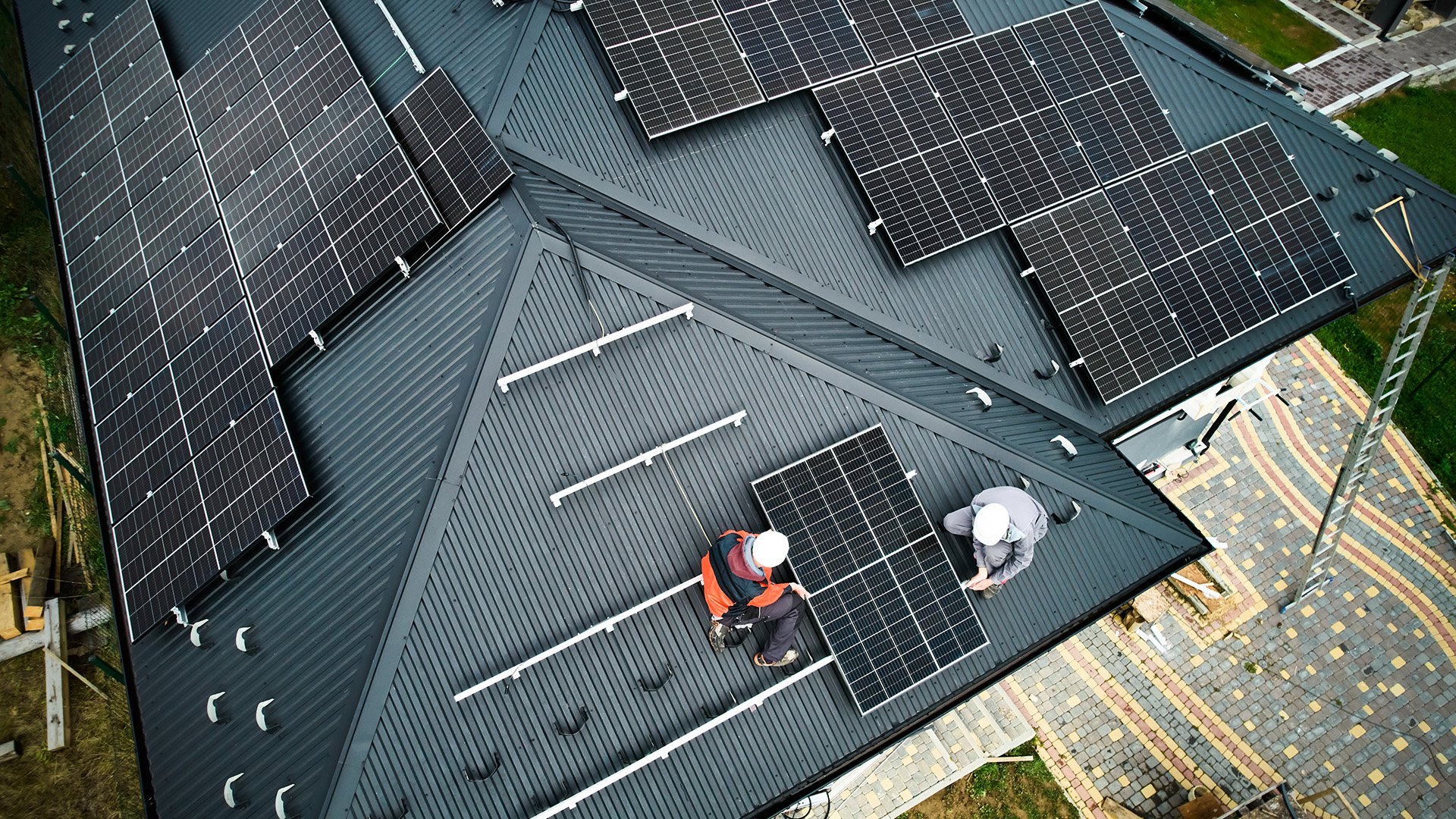
Solar panels, typically built to last 25 to 30 years, have been the workhorse of the renewable energy movement. But as early adopters’ panels approach the end of their lifespan, the looming challenge of solar panel waste becomes increasingly evident. Projections suggest that by 2050, the U.S. could generate up to 10 million tons of decommissioned solar panels.
What happens to all that material? Without a robust solar panel recycling framework, these panels could clog landfills, leach harmful chemicals, and undercut the environmental benefits they once promised. This waste stream presents a unique challenge for going green — and a significant risk for solar contractors and other stakeholders.
Regulatory Requirements for Solar Panel Recycling
In the U.S., the Environmental Protection Agency (EPA) governs the management of hazardous waste, including some solar panel components. Decommissioned panels must be tested to determine whether they qualify as hazardous waste, which comes with strict disposal protocols. Noncompliance can lead to significant fines and reputational damage for companies.
Recognizing the growing challenge of managing end-of-life solar panels, the U.S. EPA is developing a proposed rule to add hazardous waste solar panels to the universal waste regulations found under the Resource Conservation and Recovery Act (RCRA). Such a classification would codify the regulatory requirements for the collection and transportation of these panels, ultimately promoting proper recycling and disposal. The streamlined universal-waste regulations are expected to ease regulatory burdens on generators of solar panel waste, promote the collection and recycling of solar panels, and encourage the development of municipal and commercial programs to reduce the quantity of these wastes going to municipal solid waste management.
The EPA plans to publish this proposed rule by June 2025. Once finalized, the rule is anticipated to:
- Simplify Compliance: By reducing the complexity of hazardous waste regulations, the universal waste designation will make it easier for businesses to comply with federal and state laws.
- Encourage Recycling: Streamlined regulations are expected to promote the collection and recycling of solar panels, encouraging the development of municipal and commercial programs to reduce the quantity of these wastes going to municipal solid waste landfills.
- Enhance Environmental Protection: Proper management and recycling of solar panels will help prevent environmental contamination from hazardous materials that some panels may contain.
It’s important to note that while the EPA sets federal standards, individual states may have additional regulations, so be sure to stay informed about both federal and state requirements. States like California and North Carolina have stepped in to address many of the regulatory gaps. California, for example, classifies solar panels as universal waste, allowing for streamlined recycling processes. However, these regulations vary widely across the country, creating a patchwork of compliance requirements that can confuse contractors and expose them to risk.
Globally, the European Union leads the charge in mandatory solar panel recycling, requiring manufacturers to collect and recycle panels at the end of their life. These international trends could foreshadow future regulatory developments in the U.S.
The True Cost of Going Green
While solar energy may seem like a one-time investment, the hidden costs are often overlooked. For solar contractors and green-energy businesses, the answer can have far-reaching financial, environmental, and legal implications.
Disposal and Recycling
Recycling a silicon-based panel costs $15 to $45 per panel, whereas sending the same panel to a landfill may cost just $1 to $5. With such a cost discrepancy, waste disposal contractors have a dilemma: absorb the cost of recycling, pass it on to customers, or risk fines by disposing of panels improperly. For insurance agents, understanding these cost dynamics is key to helping clients evaluate their risk and coverage needs.
Liability Coverage and Environmental Risks
Improper disposal of solar panels isn’t just a financial headache — it’s an environmental issue with far reaching consequences. When mishandling panels, hazardous materials can leach into the soil or groundwater, leading to contamination. These risks open the door to lawsuits, regulatory penalties, and expensive cleanup efforts. The right insurance policies can help shield businesses from these financial pitfalls, offering essential protection as they navigate this evolving landscape.
Emerging Coverage Needs
The rise of green energy has created new risks that demand specialized coverage. As regulations around solar panel recycling become more stringent, policies designed to address recycling-related risks, environmental liabilities, and compliance requirements are becoming a must-have, which opens the door to opportunity for you. By offering tailored endorsements that address these specific challenges, you can provide exceptional value to clients and establish long-term trust.
Stay Ahead of the Curve
The solar industry’s next frontier balances renewable energy generation with managing the environmental, financial, and regulatory challenges that come with it. For insurance agents and brokers, understanding the “green” ecosystem is more than a value-add; it’s a necessity. By staying informed, you can help your clients navigate these complexities, protect their investments, and pave the way for a future of sustainable energy.
Whether you’re advising solar contractors or working with green-energy businesses, being prepared for this next chapter will position you as an invaluable partner — and you have a partner in this journey too. As a specialized environmental and energy wholesaler, Jencap’s experienced team provides comprehensive, competitive solutions. Learn more about our Environmental and Energy Division and get a quote today.