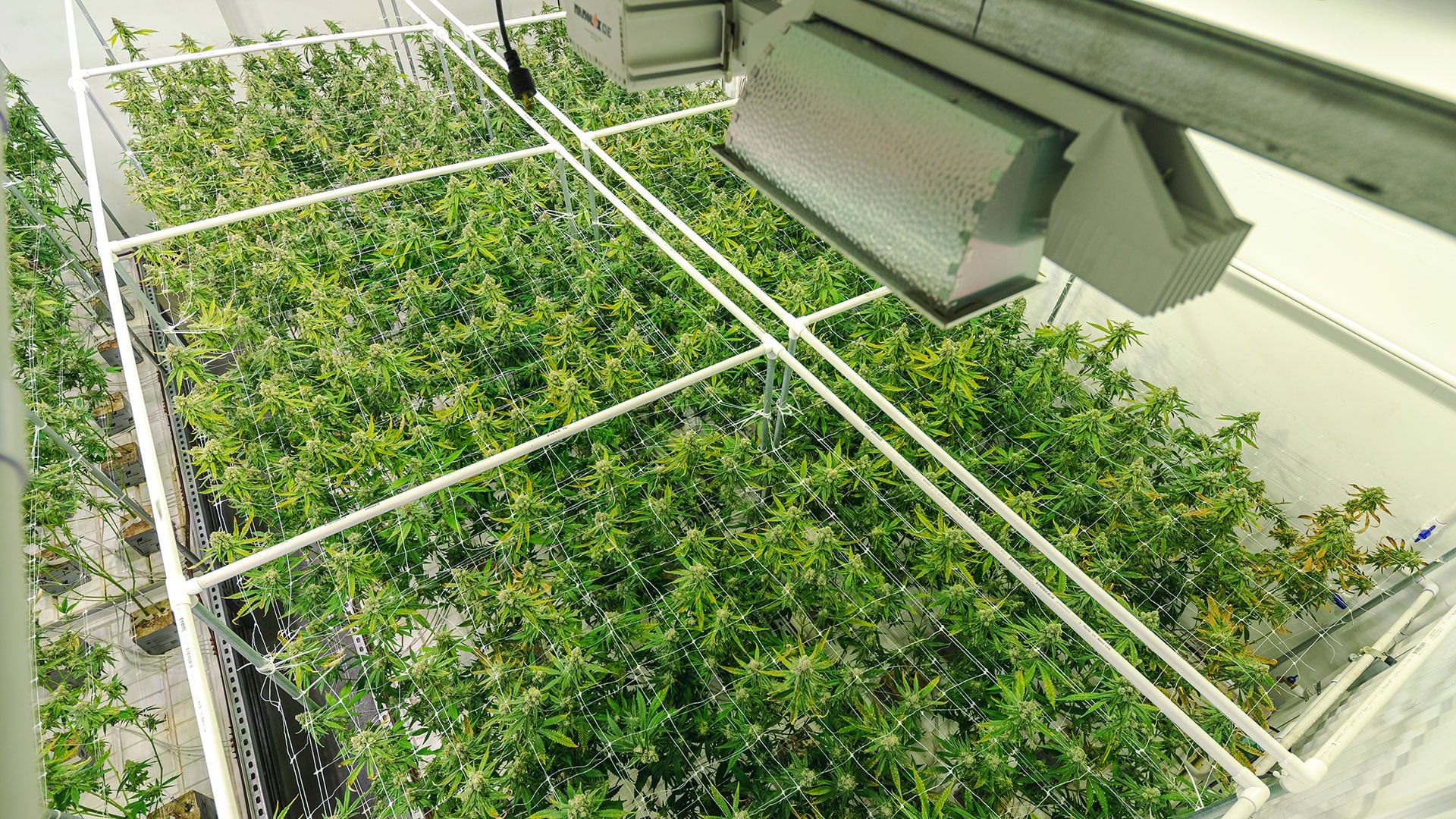
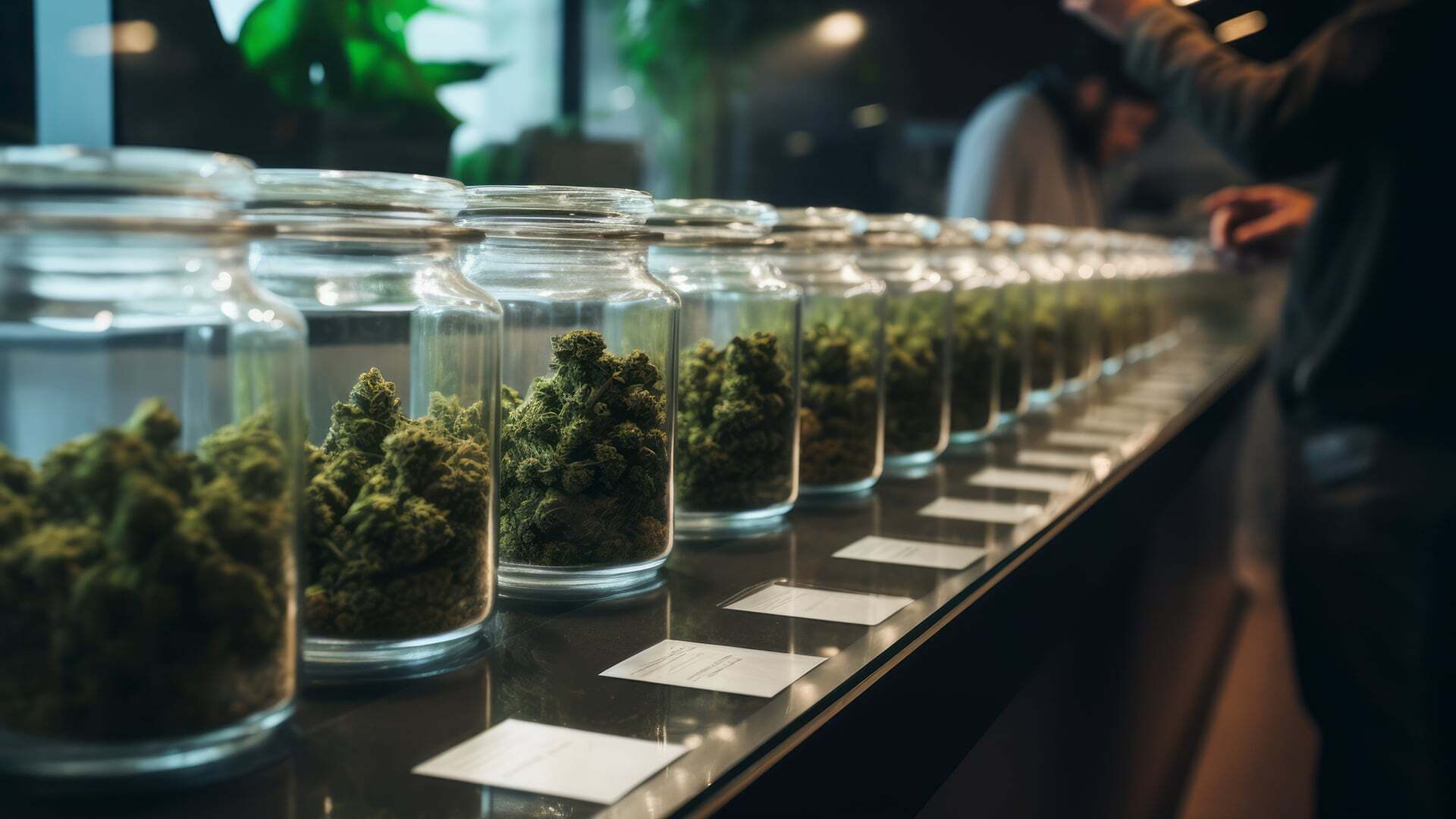
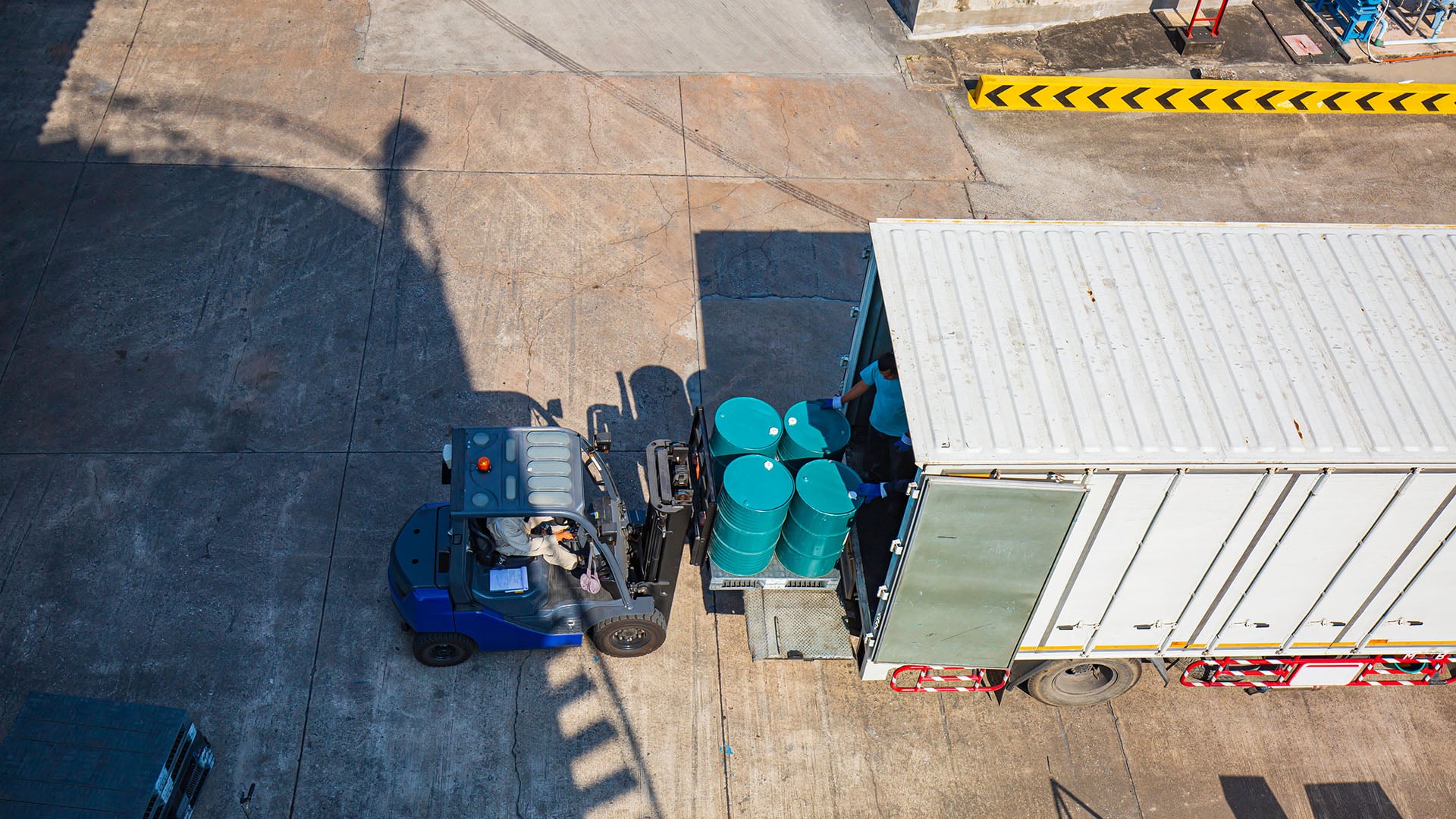
Cannabis clients rarely fit into a single class of business. A single operator might cultivate, process, retail, and deliver under one roof, and a policy built for just one of those functions tends to miss the rest. Lee Woodruff, Vice President of Jencap's Cannabis Practice, sees the same gaps surface again and again when he compares what a client's policy assumes with what's actually happening on-site.
Property: What gets overlooked?
Two issues come up on nearly every cannabis property account Woodruff reviews, and neither one has anything to do with what's growing on site.
- Protective Safeguards: A carrier will require something specific, like a central station fire alarm or sprinklers, and the policy's safeguards warranty states the client already has it. "Then the client's application comes in, and it turns out they don't have it at all," Woodruff says. "If there's a fire loss after that, the carrier isn't paying the claim, because coverage was conditioned on a safeguard that was never in place." Confirm what the policy assumes is installed actually is.
- Business Income Limits: Because it’s net income plus operating expenses, not revenue, agents often skip that math. "We'll see a client with a million dollars in sales carrying a million-dollar business income limit, and the odds of that being accurate are slim," Woodruff says. "Most of the time it's significantly overvalued or undervalued, because someone picked a number instead of calculating it."
Product Liability: Where the Claims Are Trending
Claims against cannabis operators have grown steadily since state legalization began, and they tend to fall into a few patterns: contamination from pesticides or microbial issues, potency labeling that doesn’t match the package, failure to warn about effects, and marketing claims that overstate a product’s purity.
A 2025 executive order directing the Attorney General to expedite marijuana rescheduling has not yet produced a final rule to broadly reclassify marijuana to Schedule III, but legal analysts note that any reclassification would likely weaken the federal illegality defenses operators have relied on, while wider distribution raises the stakes of any labeling miss.
Edibles carry their own risk here, since dosing errors and mislabeled potency are frequent concerns in product liability disputes. Ask clients about their third-party testing protocols. That question separates a program built for cannabis from a generic policy with a cannabis endorsement bolted on.
Auto: Cash and Cargo Don’t Mix Well
Limited banking access means many cannabis operators move more cash than a typical retailer, and inventory often moves under strict in-state chain-of-custody rules.
- Confirm coverage extends to hauling both cash and product, not just one.
- Check for cargo warranties or safeguard compliance requirements buried in the policy. Missing one can void a claim.
- If the client operates in multiple states, confirm the carrier understands the regulatory patchwork that applies.
General Liability: Watch the Carve-Outs
Cannabis is unique on the GL side because these accounts don't use standard ISO forms. Plus, the policies that do exist carry more exclusionary wording than you'd find on a typical retailer or manufacturer. Keep an eye out for the following:
- Assault and battery exclusions: Dispensaries handle cash and product, making them targets. A blanket assault and battery exclusion can leave a client exposed after an incident unrelated to the product itself.
- Product liability carve-outs: Some GL forms quietly exclude cannabis products from the products-completed operations hazard, and vape products are a common target, even though they account for a large share of what's moving through dispensaries right now. Health hazard wording varies widely from policy to policy, so confirm what's actually excluded before binding.
- Professional services exposure: Bud tenders aren't licensed professionals, so is it really that risky? "If your bud tenders are making product recommendations, that could open the dispensary up to professional liability, even though they're not licensed professionals in the traditional sense," Woodruff says. "Most carriers don't provide any professional liability coverage on the liability policies." Testing labs carry a version of the same gap, since regulators and growers rely on the results they issue. Obtaining professional liability for a testing lab is extremely important and only a few markets will offer the coverage at this point in time.
Workers’ Comp: State Rules Change the Picture
Because availability and pricing still vary widely by state, there are a few things worth flagging at intake. Cultivation and trim work often get misclassified under generic agricultural class codes. Standard post-incident drug testing protocols get complicated fast when the product itself is cannabis. And repetitive trim and processing work carries real ergonomic risk that’s easy to overlook next to the more obvious hazards.
Crime and Cyber: The Overlooked Pair
Cash-heavy operations are a theft target, and most cannabis businesses now run point-of-sale and seed-to-sale tracking systems holding sensitive data. A crime policy that only covers employee dishonesty misses the external theft exposure. A generic cyber policy may not address the compliance requirements tied to state tracking systems either. Both lines deserve a second look.
When to Bring In a Specialized Wholesale Partner
Run through this checklist at intake or renewal. Any checked box is a reason to call in a cannabis-specialized wholesaler.
- Client operates across multiple stages of the supply chain (cultivation, processing, retail, and delivery).
- Coverage needs to respond across multiple state-regulated operations.
- Account includes exposure to cash handling, transport, or lab testing.
- Limits or exclusions haven’t been reviewed since operations changed.
- Current policy bundles cannabis risk under a generic commercial form rather than a cannabis-specific program.
FAQs
What insurance do cannabis businesses need?
Most operations need some combination of property, general liability, product liability, auto, workers’ comp, and crime and cyber coverage, tailored to the stages of the business they run.
Why do standard commercial policies fall short for cannabis clients?
Cannabis businesses often combine cultivation, processing, retail, and transport in ways that don’t map to a single class of business, and many standard forms carry cannabis-specific exclusions.
When should I bring in a wholesale partner like Jencap?
As soon as a client’s operations span more than one stage of the cannabis supply chain, or when cash handling, multi-state operations, or lab testing enters the picture.
Ready to Close the Gaps?
Jencap has spent years placing cannabis risk that doesn’t fit a standard form. With market access built for cultivators, processors, dispensaries, testing labs, and transport operators, Lee Woodruff and the rest of Jencap's cannabis team can help you find where a client's current program has a hole before a claim finds it for you. Reach out to review an account.