Most industrial manufacturers and distributors carry general liability (GL) and product liability (PL) insurance as a matter of course. Far fewer carry products pollution liability insurance. Why would they? Nothing in a standard casualty submission flags the gap, and most assume GL already has pollution covered. According to the National Association of Insurance Commissioners, that assumption is common enough to be a real concern in the market. It holds up until a claim tests it, usually well after the product has shipped, changed hands, and caused a problem somewhere the manufacturer no longer controls.
Products Liability vs. Products Pollution: Where’s the Gap?
Products liability responds when a defective product causes bodily injury or property damage. It’s a familiar part of nearly every manufacturer’s casualty program. Products pollution liability insurance addresses something narrower: a pollution condition caused by the product itself, after it leaves the manufacturer’s hands.
That distinction of “after” is exactly where the assumption above runs into trouble. Standard general liability and property policies typically exclude or restrict pollution losses. A conventional products liability placement was built around a different exposure, so products pollution coverage often has to be added on top of it, a very important detail worth flagging in any manufacturing insurance review.
What Happens When Pollution Occurs After the Product Leaves the Facility?
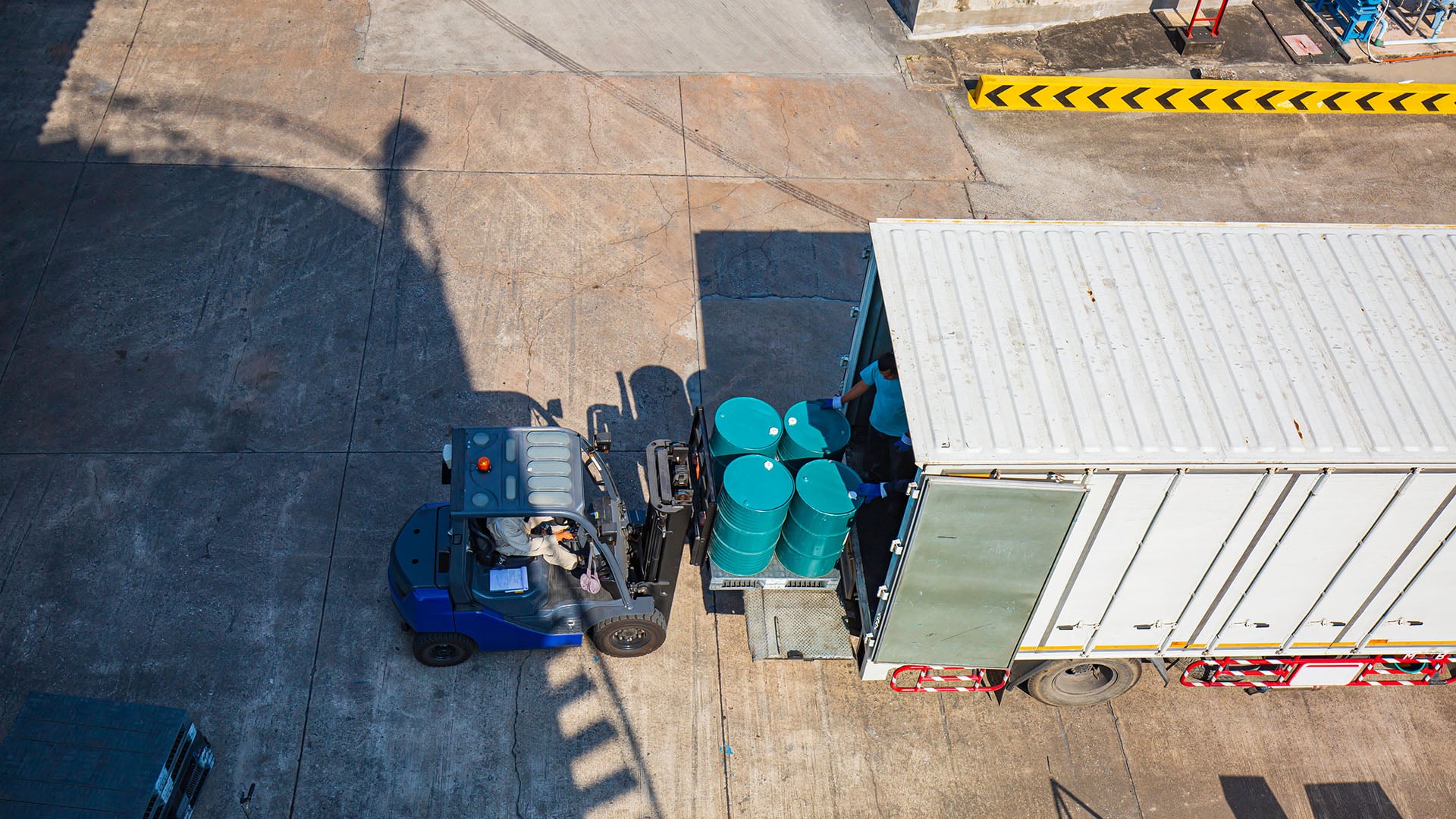
A manufacturer trucks a finished product to a distributor or drop ships it straight to a customer. Somewhere down that chain, the product leaks, degrades, or reacts in a way that contaminates soil, water, or a structure at a third-party location. Depending on the policy wording, a standard GL or products liability policy may restrict or exclude the resulting pollution loss, while product recall coverage addresses recall-related expenses rather than the pollution condition itself. Products pollution liability insurance is designed specifically to address this exposure.
Site Pollution vs. Products Pollution
Environmental liability insurance covers more than one kind of exposure, and agents sometimes assume pollution coverage is pollution coverage regardless of where the contamination happens. Trust us, it’s worth separating the two. Site pollution liability responds to conditions on, at, under, or migrating from a covered facility, typically the manufacturer’s own plant. Products pollution liability responds to a condition the product causes after it’s sold, once it has left that facility entirely. A manufacturer could carry a strong site pollution program and still have no coverage for what happens after a truck pulls out of the parking lot. The exposures are geographically and functionally distinct.
How an Environmental Package Can Help
For qualifying manufacturers and distributors, an integrated environmental casualty package puts multiple things under one program: general liability, products liability, and environmental coverage such as products pollution. Some carriers may also offer product recall as part of the package. We aren’t suggesting that these coverages encompass everything a manufacturing risk needs to be properly covered, but it does streamline multiple key coverages into one policy versus piecing them out monoline (or worse not having them at all).
A Quick Checklist Before You Submit
Think about these questions as you’re reviewing a submission:
- Does the account manufacture or distribute a physical product, not just provide a service?
- Could that product create a pollution condition after it leaves the facility, whether in transit, at a distributor, or once it’s in the customer’s hands?
- Is the current program limited to GL, products liability, and maybe product recall, with nothing addressing pollution the product itself might cause?
The more of these that line up, the more likely it’s worth a closer look from an environmental specialist before the submission goes out.
FAQs
What is products pollution liability insurance?
Products pollution liability insurance is designed to address cleanup costs and third-party bodily injury or property damage arising from a pollution condition caused by a manufacturer’s or distributor’s product after it has been sold or delivered. Coverage depends on the particular form and policy wording.
Does general liability insurance cover pollution caused by a product?
Typically not. Standard general liability policies commonly restrict or exclude pollution losses, which is why products pollution liability insurance exists as a separate coverage.
What is the difference between product liability and products pollution liability?
Product liability responds to bodily injury or property damage caused by a defective product. Products pollution liability responds specifically to a pollution condition the product creates, such as contamination at a customer’s or third party’s location.
What is the difference between site pollution and products pollution coverage?
Site pollution addresses contamination “on, at, under, or migrating from a covered location”, usually the manufacturer’s own site. Products pollution addresses contamination caused by the product after it has left that facility, been sold to a customer, and/or put to its intended use.
When does a manufacturer need products pollution liability coverage?
Any manufacturer or distributor whose product could create a pollution condition after it’s sold, whether in transit, at a distributor’s site, or at the end customer, has reason to evaluate this coverage, especially if a standard casualty placement doesn’t already include it. If the release occurs during transportation, agents should also confirm how transportation pollution is addressed because treatment can vary by policy.
Talk to Jencap’s Environmental Specialists
Jencap’s casualty team already has the market access to place general liability, products liability, and, where available, product recall on its own. When a pollution exposure is identified, Jencap’s environmental specialists can evaluate whether monoline products pollution, site pollution, or an integrated environmental casualty solution can be structured alongside the account’s existing coverage. Nothing about this requires an account to arrive fully structured before the conversation starts. Reach out to Jencap’s environmental team to review what’s there and help figure out what’s still missing.