Environmental exposure on a data center starts with the condition of the land, but it doesn’t stop there. That exposure follows the project through construction and into the power and cooling systems it depends on. That last stage is actually drawing new attention from regulators. In September 2026, the Texas governor directed state water regulators to penalize data centers and other major water users that fail to report usage, and required water data from data centers seeking a grid connection.
For agents placing data center environmental insurance, each stage calls for its own coverage conversation.
Where do data center environmental risks begin?
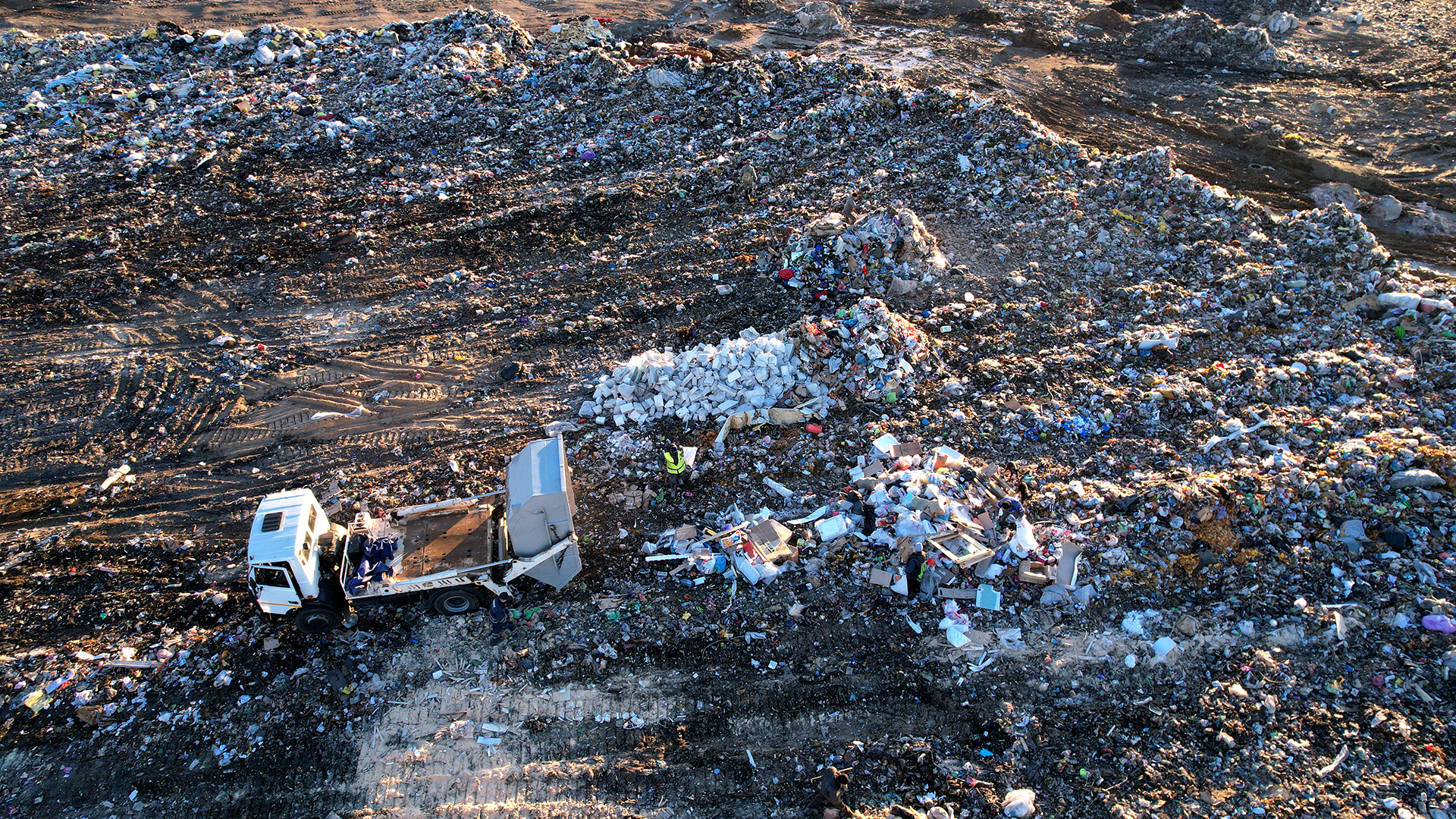
Environmental risk begins with land acquisition. Environmental liability can follow chain-of-title property ownership, meaning a develop may acquire responsibility for historical contamination along with the site. Brownfields, properties affected by prior industrial or commercial use, can be attractive data center locations because of their size, infrastructure, utilities, and industrial zoning. But as the EPA points out those advantages may come with legacy environmental conditions that must be understood and managed.
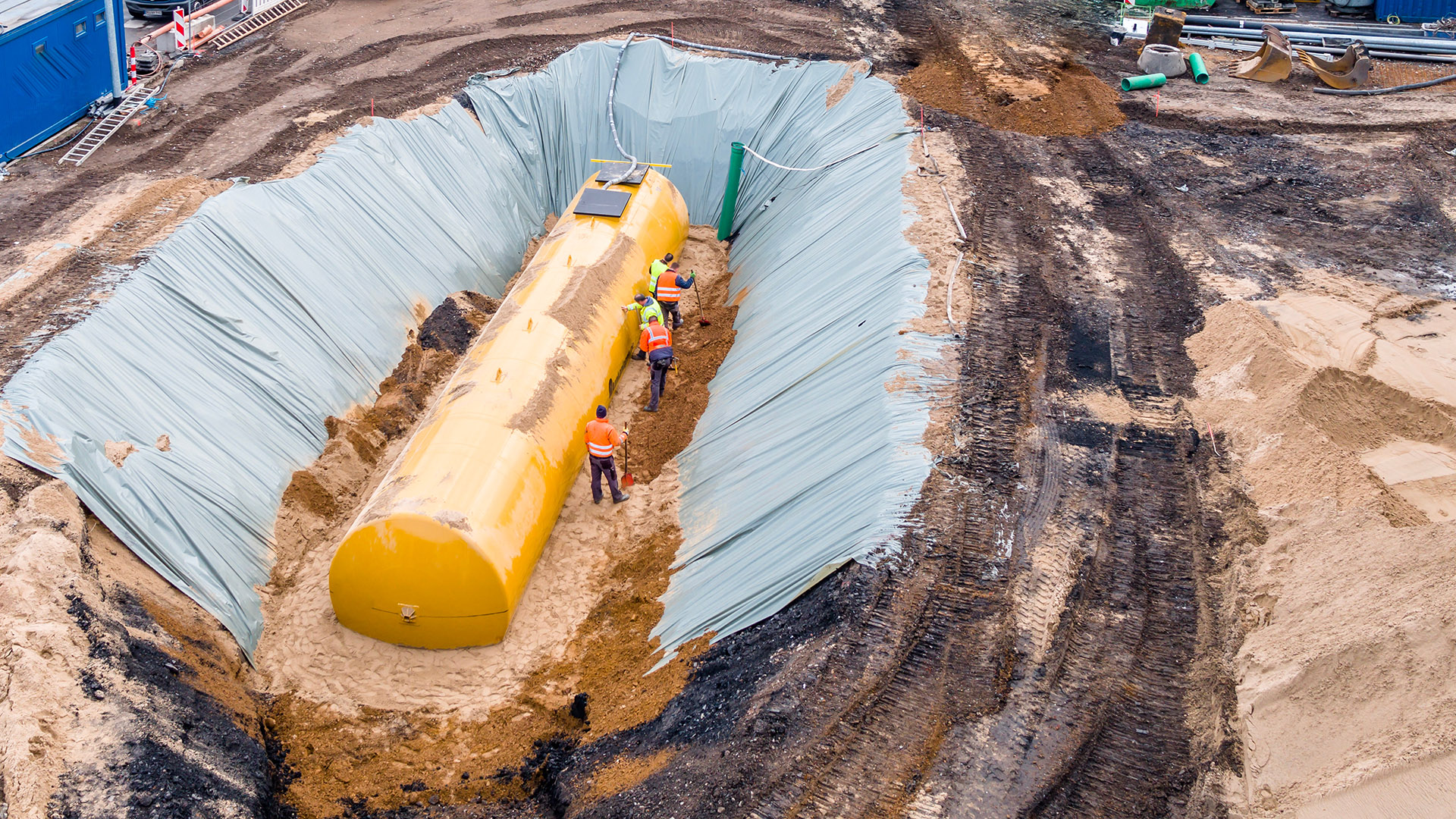
Greenfield sites are usually cleaner, but the neighbors still matter. Contamination can migrate in from a neighboring property, and past dumping may never have been recorded. A clean assessment of the parcel itself says little about what actually sits upgradient. Due diligence has to look past the property line, at historical use, neighboring contamination, migration pathways, open cleanup obligations, and any engineering controls already in place. Excavation can disturb a cap or barrier and turn a managed condition into a construction-phase problem.
How data center pollution liability changes from construction to operation
Construction and operations call for different policies, and most gaps open at the handoff between them. Typically a Site Pollution policy is placed upon closing on the real estate to cover any legacy liabilities inherited by previous operations. Then, during development, a project-specific contractor pollution liability (CPL) policy or a CPL wrap-up can address pollution conditions created or exacerbated by the work (brownfield projects often need it most). The policy term typically tracks the construction schedule, with the completed-operations tail set to the project state’s statute of repose. Delays and long commissioning periods can outrun that term.
Once the facility is running, site pollution coverage picks up the ownership and operational exposure, and depending on the wording, it may reach pre-existing conditions as well as new ones. “These are massive investments, so these are long-term holds,” says Canaan Crouch, Jencap's National Practice Leader for Environmental. That is why some markets offer site pollution terms of up to 10 years, though terms vary by risk and carrier.
The problem is, the two policies are written separately. A latent construction condition might surface after the CPL term ends, and the site policy could exclude it as a known condition. Definitions, exclusions, sublimits, and jurisdictional requirements on both forms decide what protection exists. An environmental specialist can help agents evaluate that seam.
Why power and cooling decisions shape data center water risk
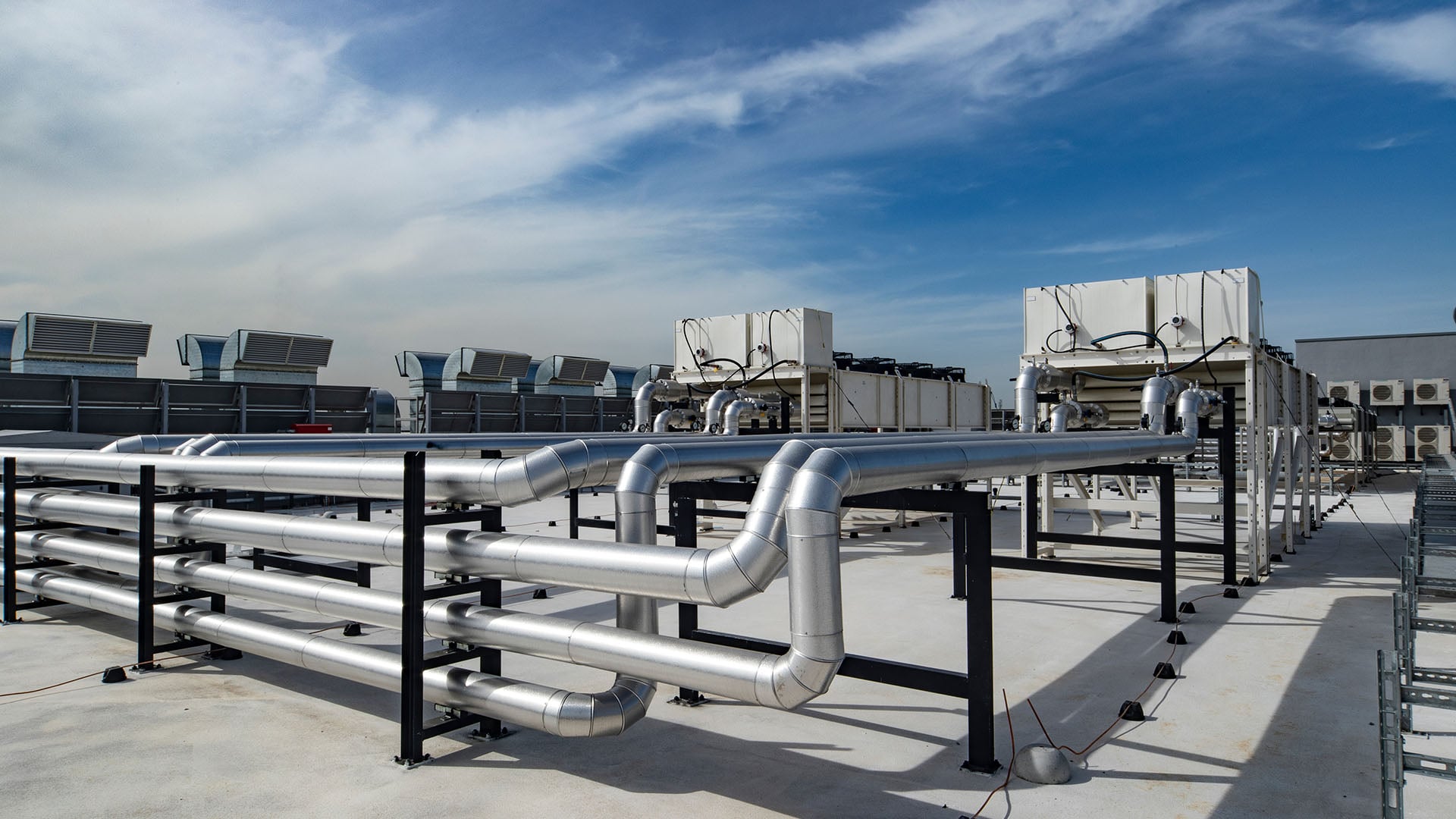
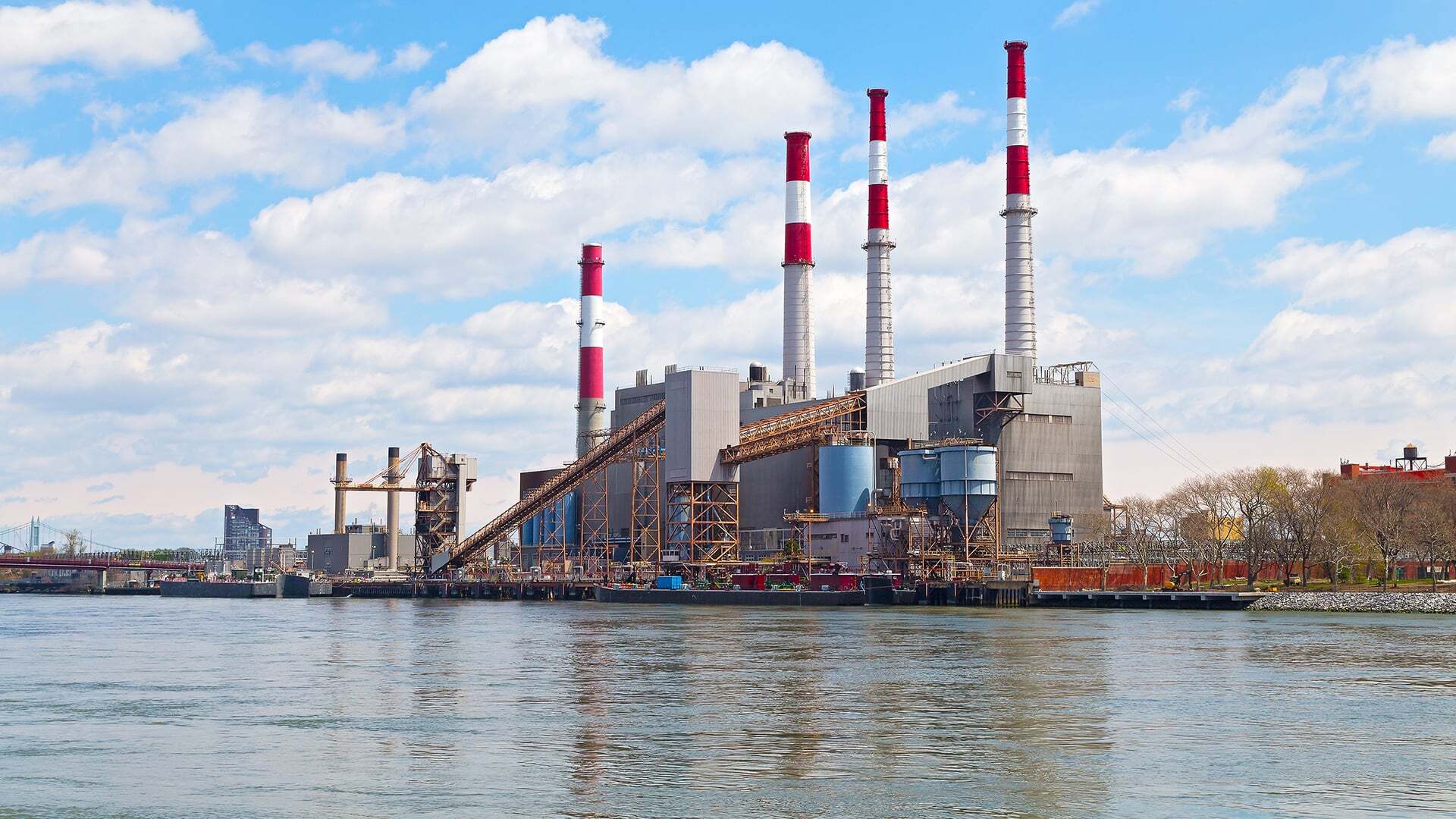
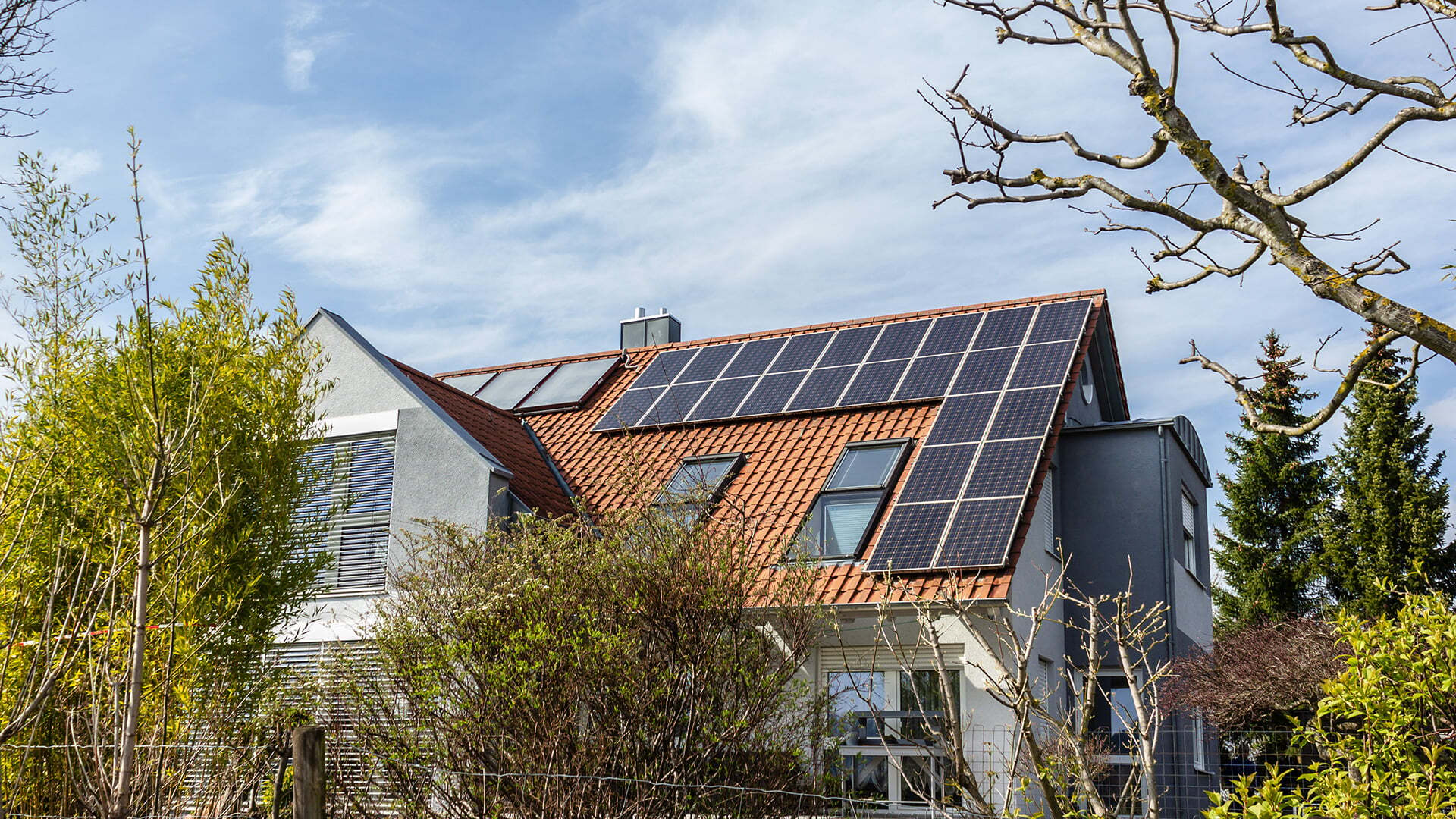
Data centers require enormous amounts of reliable power, and the local grid may not always have sufficient capacity to supply that power. Developers may respond by locating near an existing generating facility, arranging a dedicated power supply, or adding generation onsite, perhaps through the use of diesel generators. The Department of Energy (DOE) describes growing interest in nuclear-powered data centers, or even installing small modular reactors (SMRs) and microreactors. Whatever the solution, onsite generation and backup power can introduce additional environmental exposures, including fuel storage, spills, air emissions, and permitting requirements.
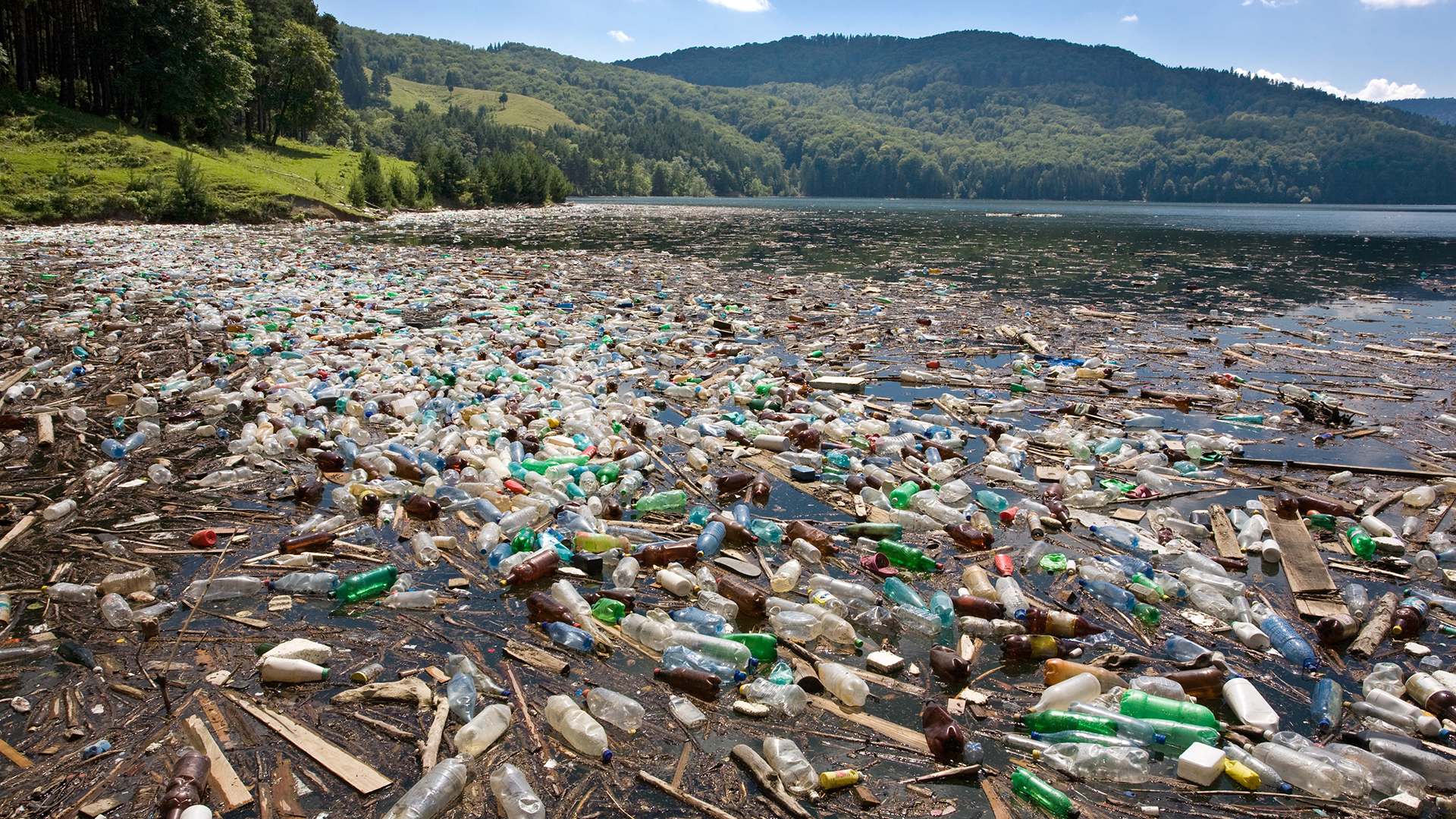
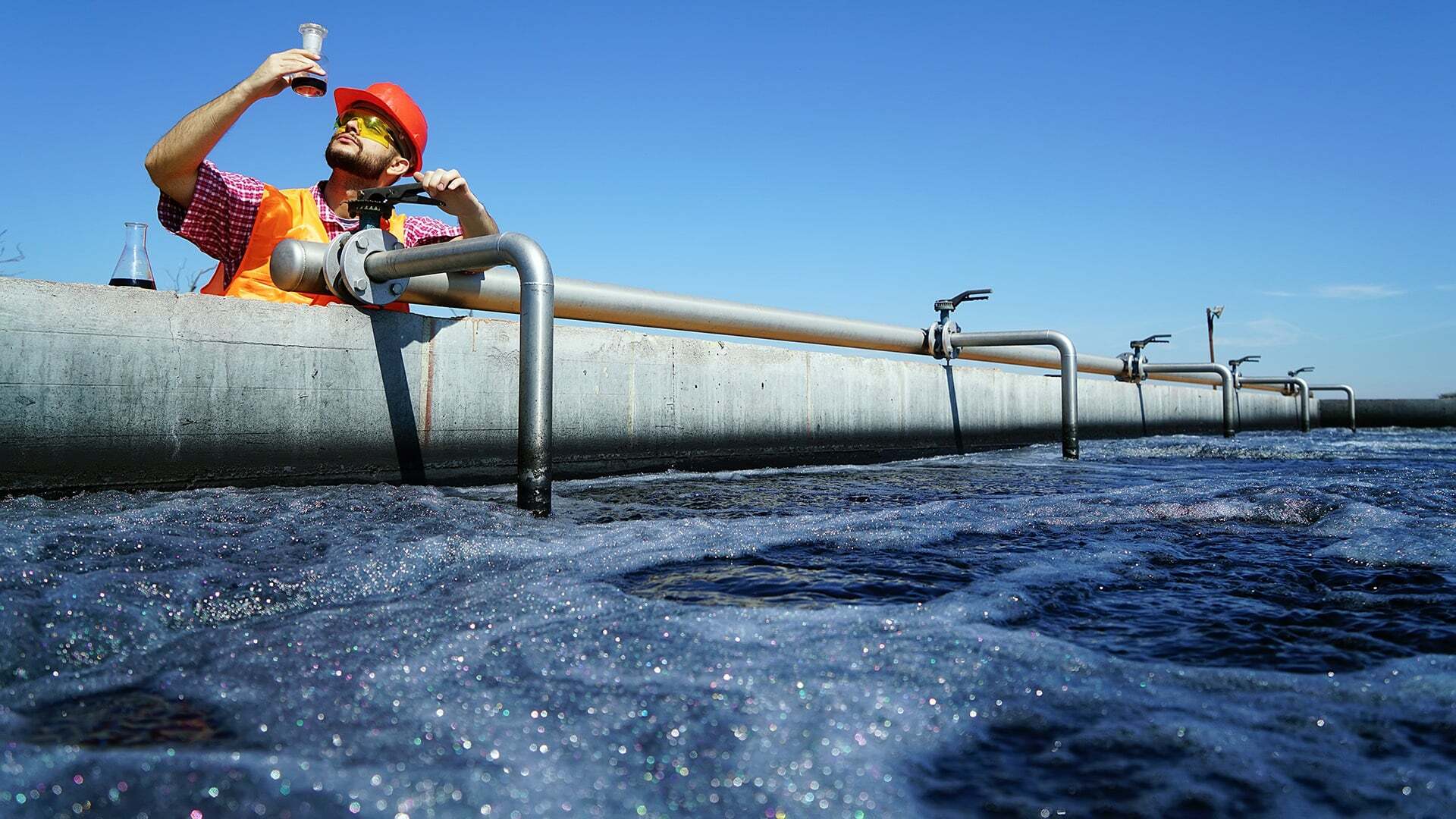
Cooling the power generation facilities, such as SMRs, creates a separate set of environmental concerns, particularly when a facility relies on surface water. Water withdrawn from a river or lake can affect aquatic habitat, while discharged water may have a different temperature, oxygen level, or other chemicals or materials in solution or suspension when discharged to the waterway. If that effluent causes environmental damage, the consequences can extend beyond cleanup costs or natural resource damages and third-party claims.
EPA’s cooling water intake rule addresses some of these aquatic impacts, although their application depends on the type and operation of the facility. From an insurance perspective, the key question is broader: Could the facility’s withdrawal or discharge of water create an environmental condition that triggers liability, and would that condition fall within the policy’s definition of a “pollution condition.”
What should agents gather before marketing the risk?
Coverage holds together best when developers, contractors, environmental consultants, engineers, operators, and underwriters work from the same information. Start with:
- Environmental site assessments and remediation records
- Neighboring land uses and known contamination
- Construction scope and schedule, including the commissioning period
- Contractor and subcontractor pollution coverage
- Power sources, including onsite generation and fuel storage
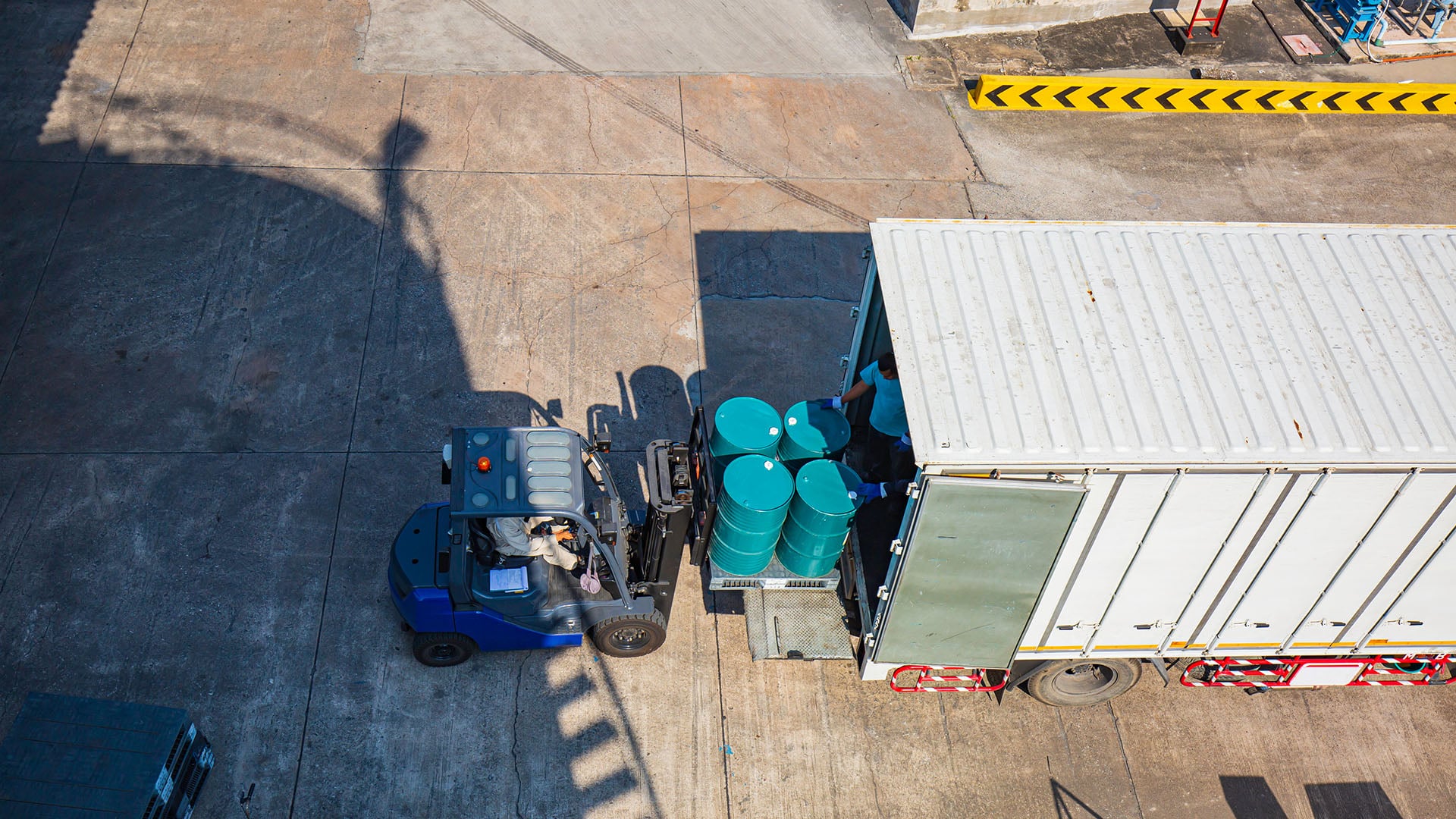
- Cooling technology and the chemicals it uses
- Water sources and expected consumption
- Discharge pathways and the permits and monitoring they require
- Operational handoff date
- Requested policy term and completed-operations period
- Applicable exclusions and sublimits, plus natural resource damage provisions
Any of these factors can complicate the placement. A brownfield parcel, onsite generation, a river intake, or a slipping schedule can change how underwriters read the risk, and small differences in a sublimit or exclusion can decide whether a policy responds. Agents who do not handle these exposures every day can benefit from bringing in an environmental specialist early.
FAQs
What environmental insurance coverage does a data center need?
Usually project-specific CPL or a pollution wrap-up during construction, then site pollution coverage once the facility operates.
How does pollution liability change from construction to operation?
CPL responds to conditions caused or worsened by construction work. Site pollution coverage addresses ownership and operating exposure.
Can site pollution coverage address pre-existing contamination at a data center?
It can, depending on policy wording, underwriting, and what the site assessment shows. Known conditions may be excluded or limited.
What water and wastewater risks should data center developers assess?
Water source and volume, chemical treatment, discharge pathways and permits, and how withdrawal and discharge affect aquatic life.
How can agents avoid pollution coverage gaps after data center construction?
Match the CPL term and tail to the schedule and the state’s statute of repose, then review both policies’ exclusions and sublimits together.
Work with Jencap’s environmental and energy teams
Jencap’s Environmental brokers include former environmental consultants and geologists, with energy specialists available through the same platform to help assess related power-generation exposures. Send the site assessment and construction schedule early, and they can help map coverage through operations.