“Forever chemicals,” or per- and polyfluoroalkyl substances (PFAS), are a defining environmental and public health challenge of our time. Used for decades in a wide range of industrial and consumer products, these chemicals persist indefinitely in the environment and accumulate in the human body. As new scientific evidence links PFAS exposure to serious health conditions like cancer, litigation tied to these chemicals is intensifying.
From massive settlements with water utilities and chemical companies to personal injury claims brought by firefighters and communities exposed to contaminated water, PFAS litigation is growing more complex and pervasive. How can you help protect your clients as the scope and impact of these lawsuits expand into previously untouched territory?
Industries Impacted by PFAS Litigation
PFAS litigation is no longer confined to industries directly handling these chemicals. The far-reaching nature of PFAS contamination has drawn unexpected sectors into its web, exposing businesses that might have once believed themselves immune to such risks.
Manufacturing
Industries that use PFAS in their production processes are highly liable for contamination. Cleanup costs and legal battles are already mounting for these businesses.
Fresh Water and Waste Water Utilities
Water suppliers face PFAS litigation due to the contamination of drinking water sources. Wastewater treatment facilities also contribute, as PFAS persist in incoming water and are discharged back into the environment, making them a key source of recontamination.
Airports
PFAS contamination from firefighting foam training exercises is a growing issue. One example includes an airport on the East Coast that now faces costs associated with ongoing testing and providing fresh bottled water to surrounding residents that formerly relied on groundwater.
Firefighting
Firefighters exposed to PFAS-containing foam are filing bodily injury claims, citing increased cancer risks and other health conditions.
Consumer Goods
More and more examples of PFAS in everyday products are coming to light, further broadening the scope of litigation. Even corporate giants in the tech industry are embroiled in controversy.
Trends in PFAS Litigation
The future of PFAS litigation promises to reshape industries and challenge businesses in unprecedented ways. As the legal and regulatory landscape evolves, companies need to prepare for new waves of lawsuits and mounting financial risks.
Water Supplier Claims
In recent years, major chemical companies have settled lawsuits with water utilities for more than $11 billion, reflecting the growing financial pressures associated with PFAS contamination cleanup.
Bodily Injury Lawsuits
Claims from firefighters exposed to PFAS-containing firefighting foam are gaining traction. Additionally, individuals who consumed contaminated water are pursuing personal injury lawsuits, with some alleging cancer and other serious health conditions linked to PFAS exposure.
Emerging Claims
Litigation is expanding beyond water and foam. For example, proposed class-action lawsuits have targeted PFAS in consumer goods such as carpets and food packaging. As more pathways for exposure are identified, the scale of liability continues to grow.
The Role of Science
The success of many PFAS lawsuits hinges on scientific evidence linking exposure to specific health outcomes. Defendants and insurers remain skeptical about causation, but ongoing studies will play a pivotal role in shaping the legal landscape.
How Environmental Insurance Can Mitigate Financial Exposure
As PFAS litigation grows, environmental insurance becomes a vital resource for businesses to manage financial exposure. PFAS litigation draws parallels to asbestos lawsuits, which spanned decades and resulted in significant financial repercussions. Agents can help clients prepare for long-tail liabilities by securing comprehensive environmental insurance. From bodily injury to clean-up costs, including associated legal defense fees, environmental insurance provides vital financial protection for companies facing PFAS-related claims. As a leader in environmental insurance, Jencap offers tailored solutions for industries impacted by PFAS. With a deep understanding of regulatory frameworks and emerging risks, Jencap’s experts help clients navigate complex claims and secure the coverage they need to stay protected. Reach out to our Environmental Practice to learn more.
The Jencap Environmental Insurance Team
Jencap’s environmental and energy team thinks like environmental professionals. With backgrounds as consultants and geologists, these brokers understand risk from the ground up. When environmental exposure changes the complexity of a placement, they can identify coverage gaps and structure solutions that a generalist broker would miss.
Explore Further
Flip the Cap Episode 20: The Energy Pivot: What’s Here to Stay and What’s On the Way
Aug 27, 2025
PFAS Risks: How to Protect Your Clients from Long-Tail Liability
Aug 7, 2025
Understanding PFAS Risks: What Agents Need to Know About “Forever Chemicals”
Jul 17, 2025
Why Environmental Claims Are Spiking — And What Agents Need to Know
Mar 20, 2025
Forever Filing: The Rise of PFAS Litigation
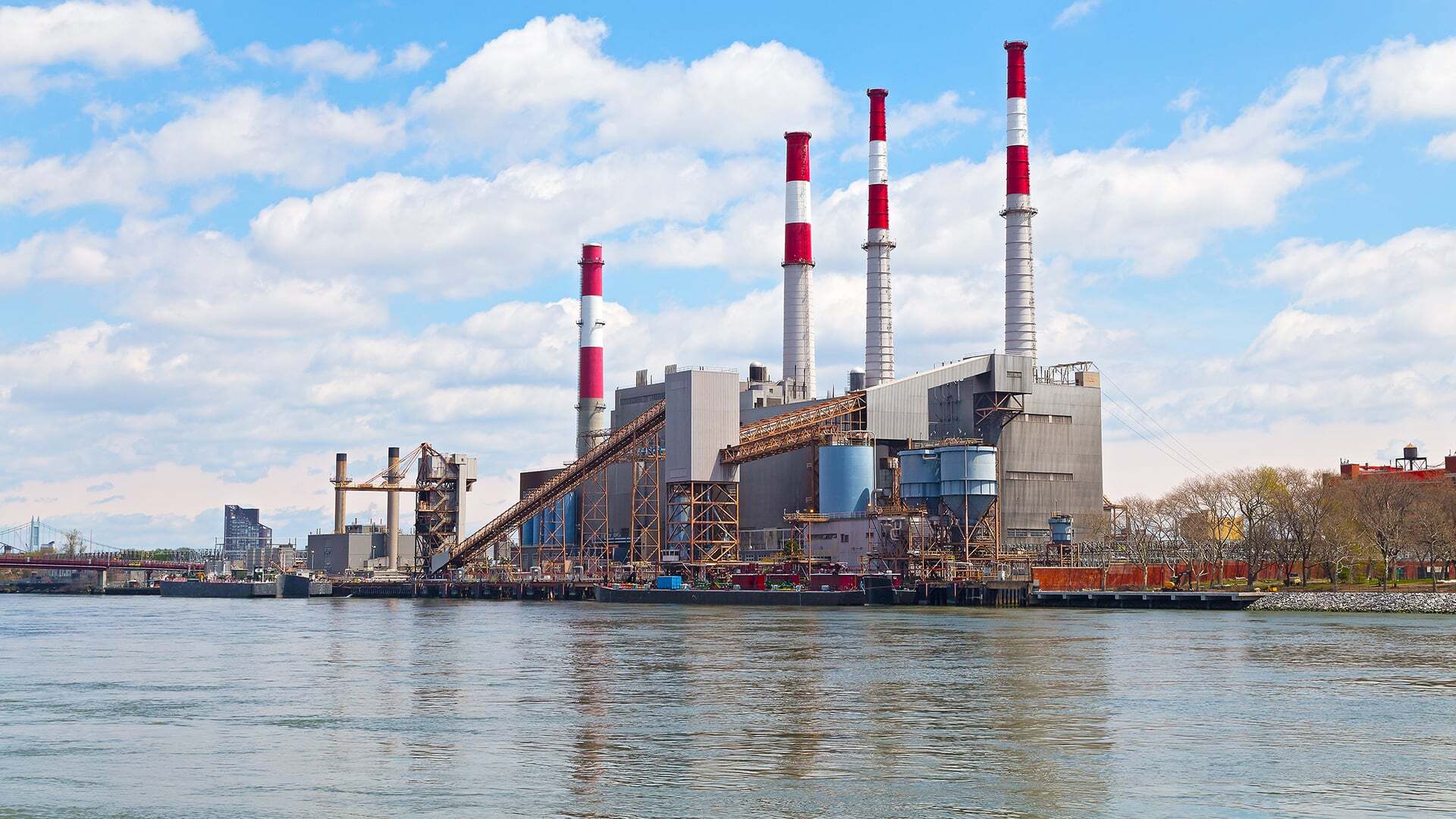
Feb 13, 2025
Navigating the Complex World of PFAS Liability
Sep 5, 2024
Flip the Cap Episode 13: Loren Henry, Recharging the Energy Sector

Jun 20, 2024
Hidden Hazards in Urban Planning: Importance of Environmental Insurance

May 2, 2024
Shedding Light on NEM 3.0’s Impact on California Solar Market and Insurance
Feb 22, 2024
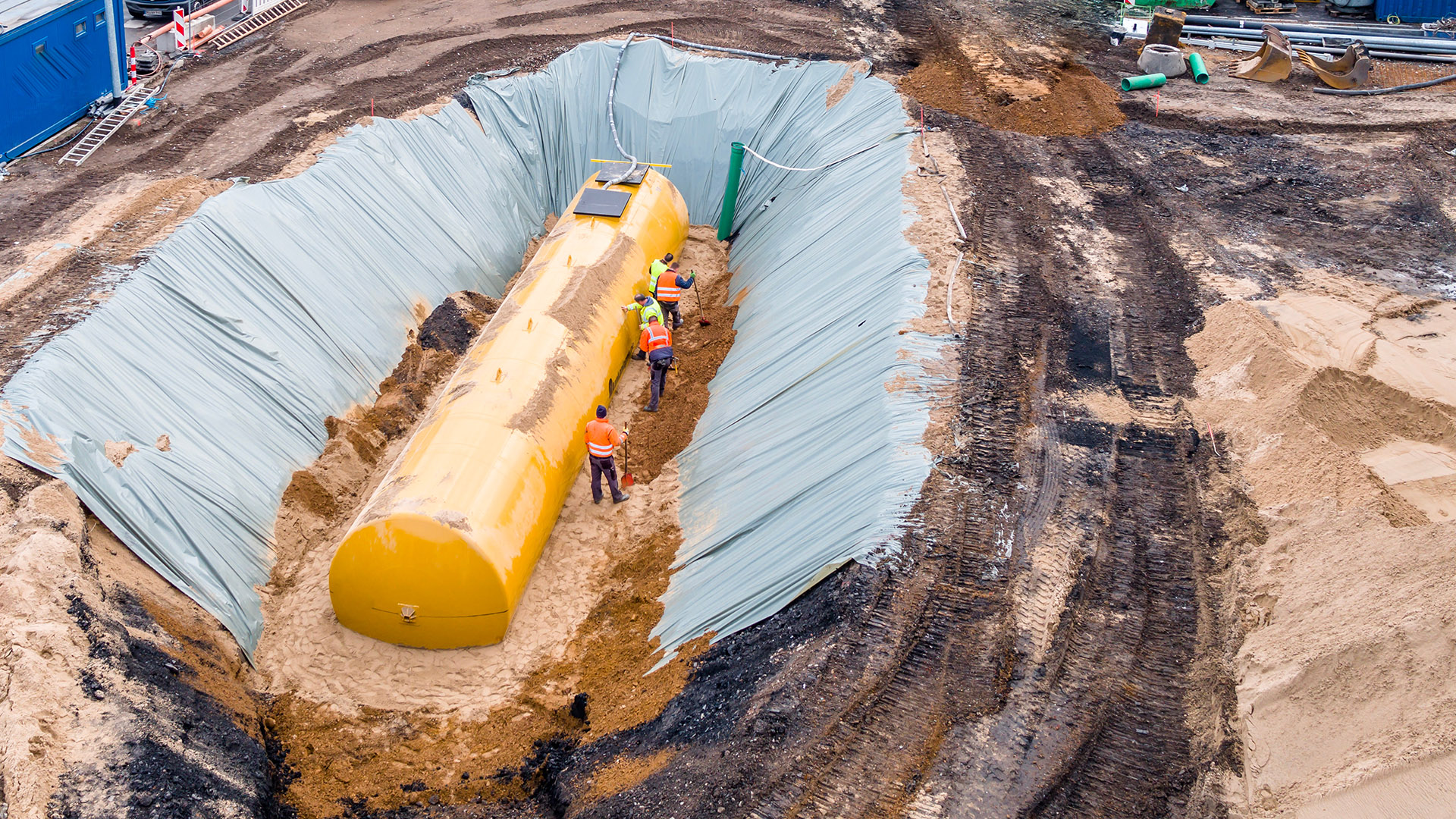
Importance of Insurance for Underground Storage Tanks (USTs)
Nov 30, 2023
Flip the Cap Episode 1: All Things Environmental with Canaan Crouch
Oct 20, 2022
Jencap Launches Cannabis Site Pollution Liability (SPL) Insurance Program
Jun 8, 2022
Trends & White Papers
Agent’s Guide to Professional Liability Gaps (and How to Close Them)
In Professional risks, protection and exposure comes down to the fine print. Jencap’s professional lines specialists help you see what others might miss.
The New Era of Workers' Compensation: Powered by Data, Driven by Outcomes
Cracking the CAT Modeling Code
Is Going Green Good?
Chronicles of Casualty
Navigating the New Frontiers of Professional Lines Insurance
Preparing for The Future of Cannabis Insurance
How Climate Change is Shifting the Insurance Industry
Garage Gurus: Garage Coverage Explained
Riding The Waves of Change Insurance Industry Outlook
Podcasts

Flip the Cap Episode 22: Jencap 10 Year Anniversary Edition: John Jennings on Growth, Culture, and What’s Next

Apr 7, 2026
Flip the Cap Episode 21: Global E&S Trends, Emerging Risks and 2026 Predictions
Nov 12, 2025
Flip the Cap Episode 20: The Energy Pivot: What’s Here to Stay and What’s On the Way

Aug 27, 2025
Flip the Cap Episode 19: Cannabis Insurance Insights: Regulatory Shifts, Coverage Gaps & Expert Strategies

Jul 31, 2025
Flip the Cap Episode 18: The Big Build: Inside Construction Wrap-Up Programs
Apr 24, 2025
Flip the Cap Episode 17: Flames of Uncertainty: How Wildfires Are Shaping Insurance
Mar 20, 2025
Recent Posts
Construction Industry Trends in 2026: 5 Numbers Worth Knowing
Jul 30, 2026
Construction Manager vs. General Contractor: Why the Difference Matters for Insurance
Jul 23, 2026
OCIP vs. CCIP: Choosing the Right Wrap-Up Program for Your Construction Project
Jul 16, 2026
Galway Specialty Wholesale Announces Leadership Changes
Jul 14, 2026
When Standard Limits Are Not Enough: Building the Right Personal Liability Tower
Jul 9, 2026
Jencap Unveils New Stop Loss Brand After Combining Operations
Jul 1, 2026
Put Jencap to Work For You
Whether they realize it or not, most every business has some sort of environmental exposure. It’s more important than ever for companies to evaluate their environmental risk profile and secure appropriate insurance coverage. At Jencap, we don’t have generalist brokers; our dedicated team of environmental brokers has worked every angle of the environmental industry and knows it inside and out. By partnering with Jencap, you’ll have an industry-leading wholesaler on your side, working with you and your clients to secure the coverage — and peace of mind — your clients need.