3-Minute Read
How Rising Sea Levels Will Impact Property & Environmental Insurance
Mar 8, 2022
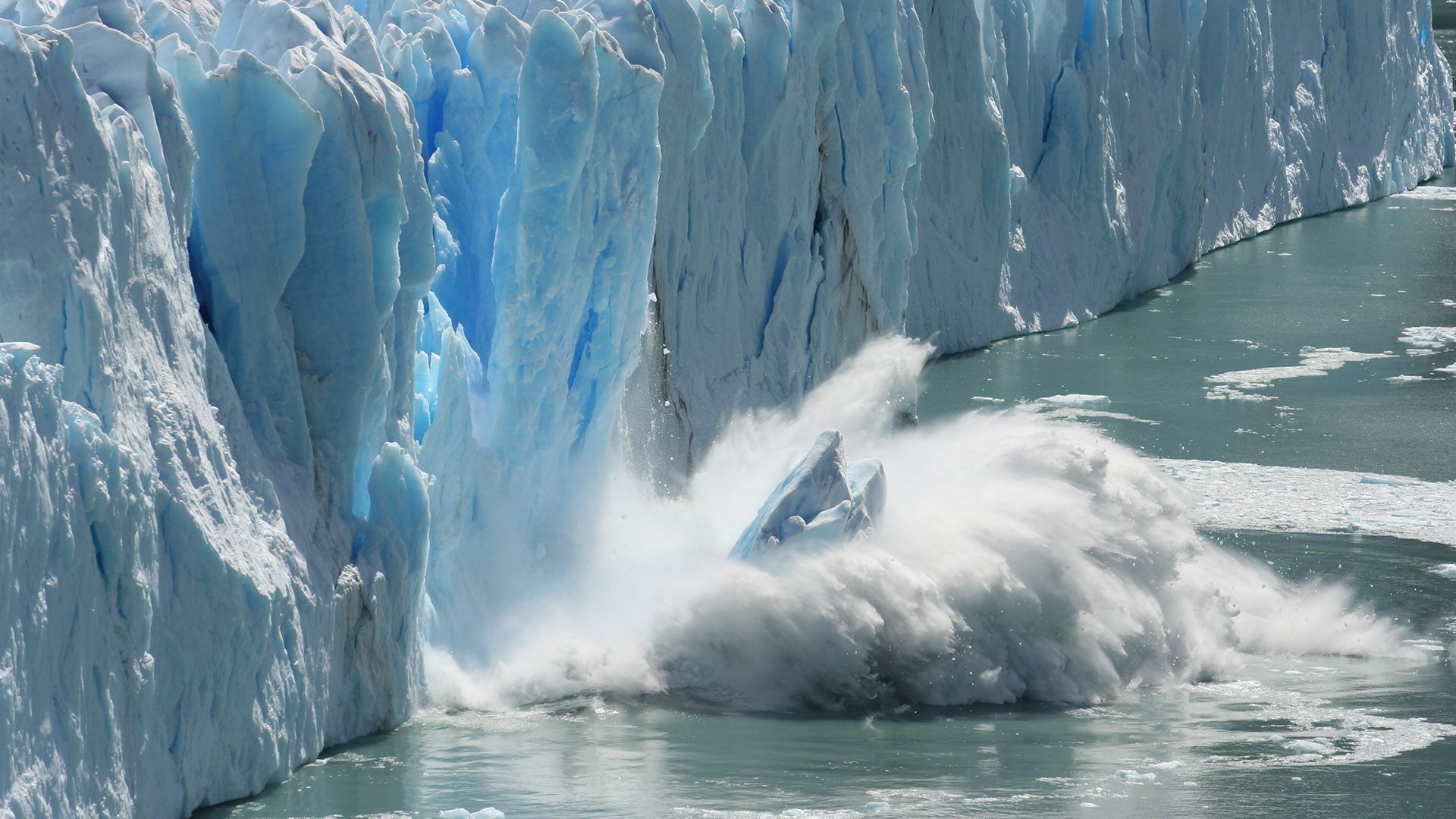
Climate change has been making headlines recently, and now experts predict that global warming will lead to substantial sea level rise in the coming years. In fact, scientists are forecasting a one-foot rise in sea level over the next 30 years.
To put this into perspective, government agencies including NASA, NOAA, and USGS, anticipate that the rise in ocean height over the next three decades could equal the total rise we’ve experienced over the past 100 years. As a result, coastal flooding will increase at an alarming rate, endangering many communities. To make matters worse, if greenhouse gas emissions continue to rise, global temperatures will also increase, causing sea level rise to exceed the current projections. Jencap’s experts are focused on how these environmental trends could impact the insurance industry.
Impact on Property
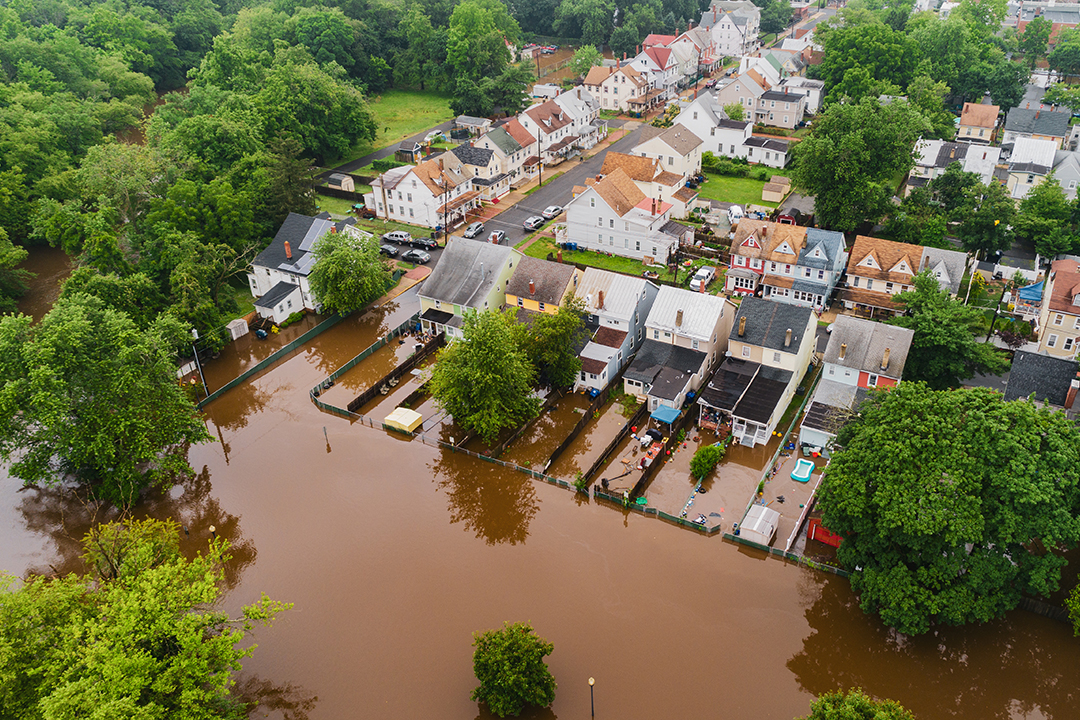
Sea level rise will affect our industry in many ways, with flooding being a primary concern. Increased flooding events will lead to more property claims and exposures, along with property insurance price hikes. Flooding will have the most significant impact on coastal properties, including homes and businesses. Florida leads the U.S. with the most cities – and homes – at risk for flooding, but other coastal states, including Louisiana, Maryland, New Jersey, and North Carolina are also at high risk.
Environmental Coverage
Environmental liability exposures are expected to increase because of more coastal flooding. When floods inundate properties with water, contamination migrates throughout an area or into a waterway. Flooding also leads to saltwater intrusion, which can result in contaminating potable water aquifers in cities along the Atlantic and Pacific coasts.
The outcomes are endless for the environmental impact caused by climate change and related factors, like sea level rise, which could easily be an exponential climate change factor within the next few decades. The potential impact to site pollution policies, in particular, will be significant and, yet, this risk is not commonly factored into the underwriting of Pollution Liability policies.
The National Oceanic and Atmospheric Administration (NOAA) uses a Global Forecast System (GFS) weather model to forecast weather events, as well as predict ocean waves and levels caused by atmospheric events. There are many ways that the NOAA model could apply to environmental exposures, including:
- Existing sites undergoing cleanup are now under water.
- Flooding introduces contaminants into third-party properties.
- Flooding of UST systems.
- Saltwater intrusion for potable water.
- Flooding damages buildings and infrastructure.
- Soil, silt, and sedimentation from construction sites (an especially big risk in California due to new construction permits on projects over one acre in area).
- Trespass from adjacent sites, and more.
To determine your clients’ property and environmental insurance needs, you’ll not only have to assess and account for their risk exposure today, but plan for the future. Global warming and sea level rise are legitimate concerns and our specialized Jencap brokers are staying on top of the trends every step of the way. Contact us to learn about our property and environmental insurance capabilities.
The Jencap Environmental Insurance Team
Jencap’s environmental and energy team thinks like environmental professionals. With backgrounds as consultants and geologists, these brokers understand risk from the ground up. When environmental exposure changes the complexity of a placement, they can identify coverage gaps and structure solutions that a generalist broker would miss.
Trends & White Papers
Agent’s Guide to Professional Liability Gaps (and How to Close Them)
In Professional risks, protection and exposure comes down to the fine print. Jencap’s professional lines specialists help you see what others might miss.
The New Era of Workers' Compensation: Powered by Data, Driven by Outcomes
Cracking the CAT Modeling Code
Is Going Green Good?
Chronicles of Casualty
Navigating the New Frontiers of Professional Lines Insurance
Preparing for The Future of Cannabis Insurance
How Climate Change is Shifting the Insurance Industry
Garage Gurus: Garage Coverage Explained
Riding The Waves of Change Insurance Industry Outlook
Podcasts
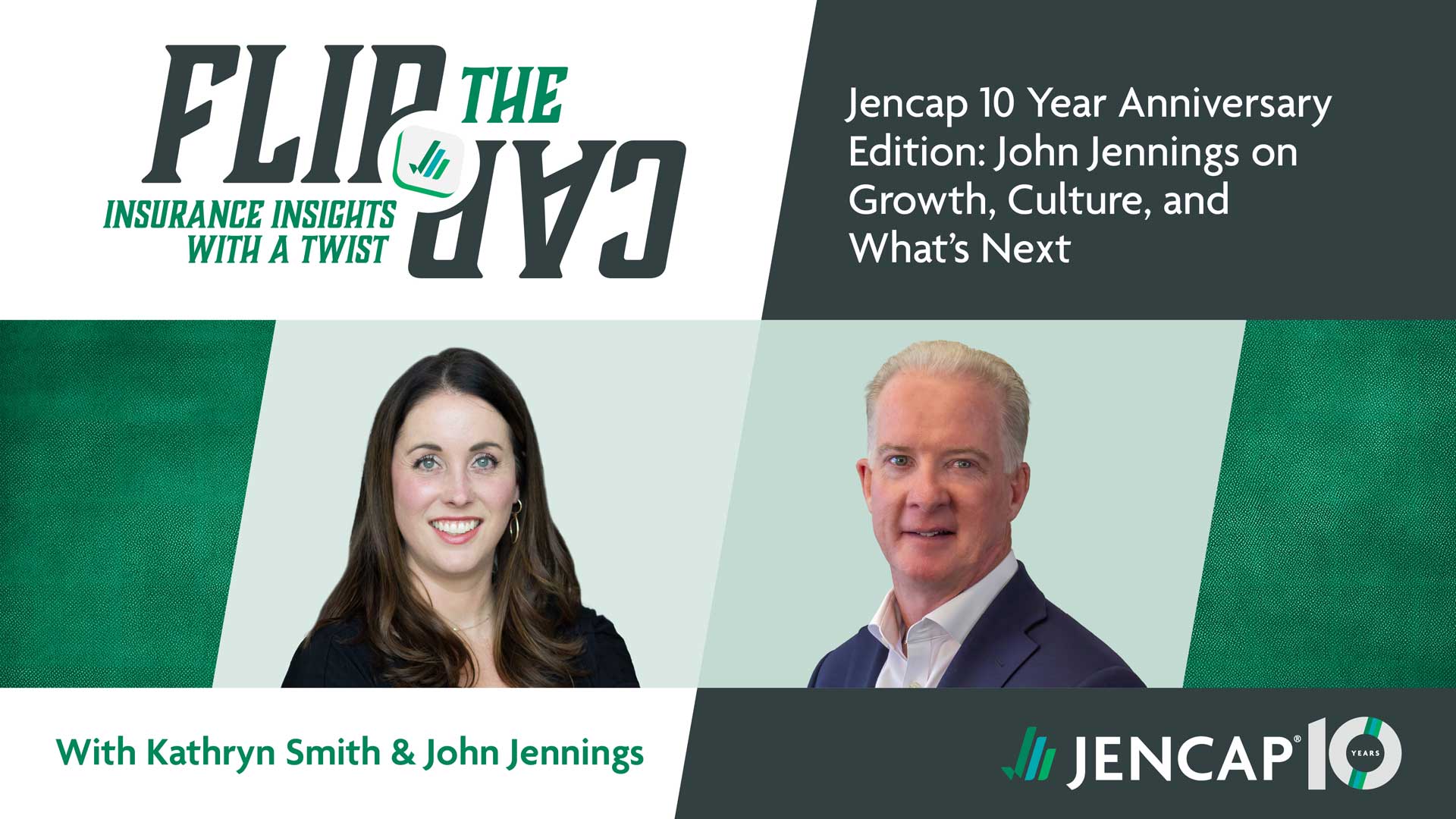
Flip the Cap Episode 22: Jencap 10 Year Anniversary Edition: John Jennings on Growth, Culture, and What’s Next
Apr 7, 2026
Flip the Cap Episode 21: Global E&S Trends, Emerging Risks and 2026 Predictions
Nov 12, 2025
Flip the Cap Episode 20: The Energy Pivot: What’s Here to Stay and What’s On the Way
Aug 27, 2025
Flip the Cap Episode 19: Cannabis Insurance Insights: Regulatory Shifts, Coverage Gaps & Expert Strategies
Jul 31, 2025
Flip the Cap Episode 18: The Big Build: Inside Construction Wrap-Up Programs
Apr 24, 2025
Flip the Cap Episode 17: Flames of Uncertainty: How Wildfires Are Shaping Insurance
Mar 20, 2025
Recent Posts
Construction Industry Trends in 2026: 5 Numbers Worth Knowing
Jul 30, 2026
Construction Manager vs. General Contractor: Why the Difference Matters for Insurance
Jul 23, 2026
OCIP vs. CCIP: Choosing the Right Wrap-Up Program for Your Construction Project
Jul 16, 2026
Galway Specialty Wholesale Announces Leadership Changes
Jul 14, 2026
When Standard Limits Are Not Enough: Building the Right Personal Liability Tower
Jul 9, 2026
Jencap Unveils New Stop Loss Brand After Combining Operations
Jul 1, 2026
Put Jencap to Work For You
Whether they realize it or not, most every business has some sort of environmental exposure. It’s more important than ever for companies to evaluate their environmental risk profile and secure appropriate insurance coverage. At Jencap, we don’t have generalist brokers; our dedicated team of environmental brokers has worked every angle of the environmental industry and knows it inside and out. By partnering with Jencap, you’ll have an industry-leading wholesaler on your side, working with you and your clients to secure the coverage — and peace of mind — your clients need.